
Call us now :08045801949
 Send Inquiry
 Send Inquiry
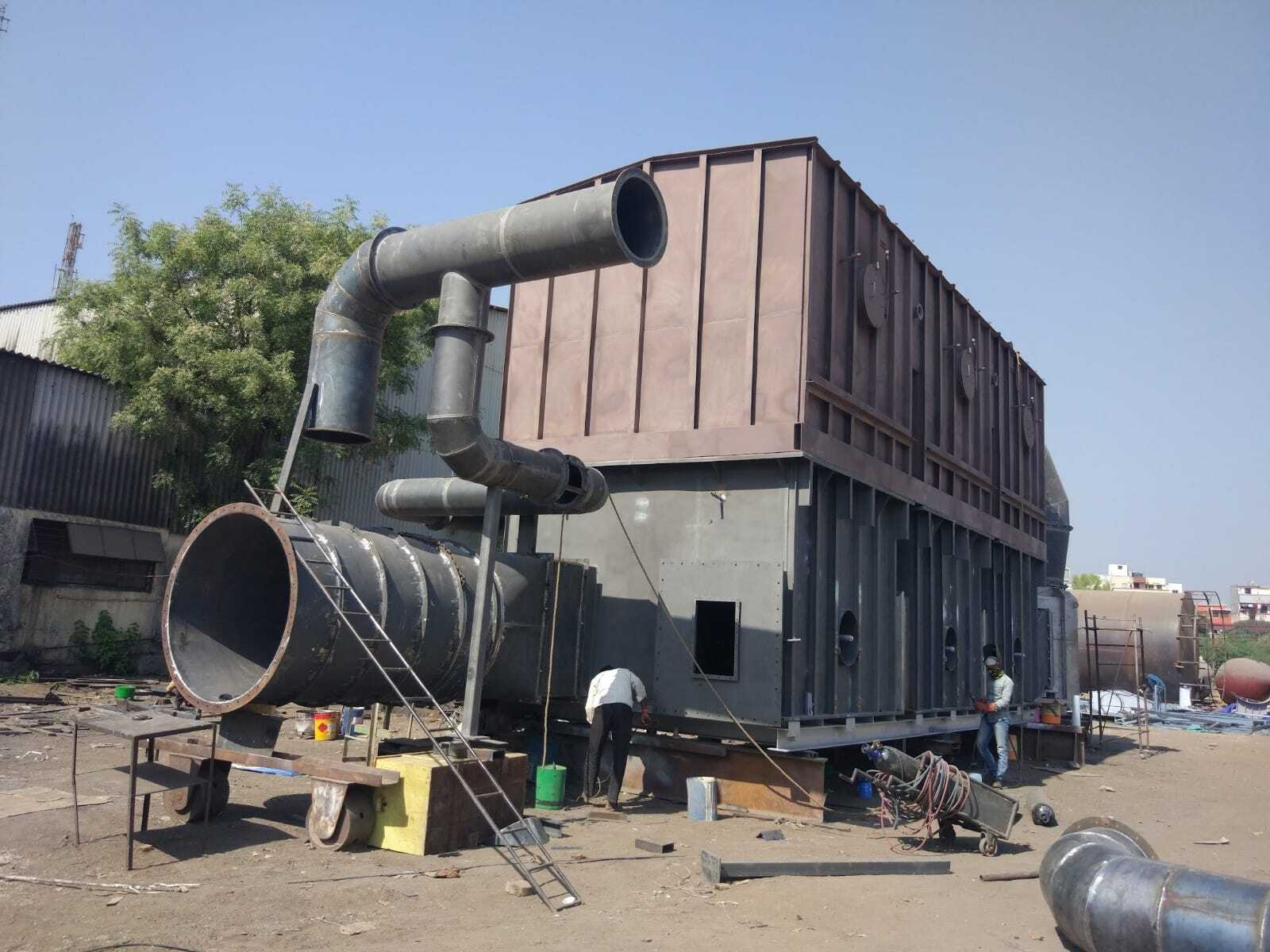
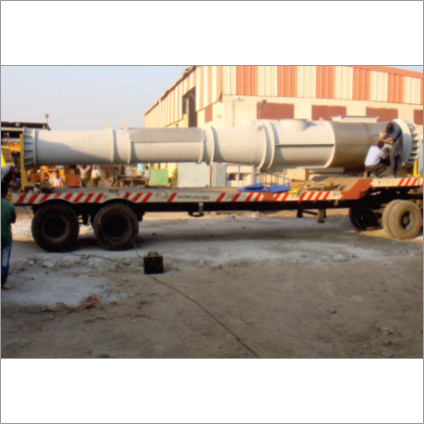
RTO Thermal Oxidizers Plant
Price 300000000 INR/ Unit
MOQ : 1 Unit
RTO Thermal Oxidizers Plant Specification
- Type
- RTO Thermal Oxidizers Plant
- Material
- Stainless Steel
- Capacity
- As per customer requirement
- Computerized
- Yes
- Automatic Grade
- Automatic
- Voltage
- 415V
- Frequency (MHz)
- 50 Hz
- Preheating Plate Size
- Customized
- Size
- As per plant design
- Width
- Variable
- Weight
- Depends on Configuration
- Dimension (L*W*H)
- Customized as per requirement
- Air Flow Rate
- 1000 to 100,000 Nm3/hr (customizable)
- Operating Temperature
- 800°C to 1100°C
- Fuel Type
- Natural Gas / LPG / Biogas
- Thermal Efficiency
- Over 95%
- Emission Standard Compliance
- Meets international environmental norms
- Destruction Removal Efficiency (DRE)
- Up to 99.9%
- Control System
- PLC Based
- Safety Features
- Interlocks, Alarms, Emergency Shutdown
- Installation
- On-site service available
- Chamber Material
- High-grade Refractory Lining
- Applications
- VOC Control, Hazardous Gas Treatment, Industrial Waste Gas Treatment
RTO Thermal Oxidizers Plant Trade Information
- Minimum Order Quantity
- 1 Unit
- Payment Terms
- Cash on Delivery (COD), Cash Advance (CA), Cash in Advance (CID), Cheque
- Main Export Market(s)
- North America, South America, Asia, Australia, Central America, Eastern Europe
- Main Domestic Market
- All India
About RTO Thermal Oxidizers Plant
Regenerative Thermal Oxidizer (RTO) is a combustion device that controls volatile organic compounds (VOCs), hazardous air pollutants (HAPs), and odors by converting (destroying) the emissions into CO2 and H2O through the use of heat before exhausting them to the atmosphere.
A Regenerative Thermal Oxidizer (RTO) is an industrial system that destroys volatile organic compounds (VOC's) in process exhaust air before it pollutes the environment.
Advanced VOC and Industrial Gas Treatment
Designed for effective Volatile Organic Compound (VOC) control and treatment of hazardous and industrial waste gases, the RTO Thermal Oxidizers Plant ensures efficient air pollution abatement. With its high thermal and destruction efficiencies, it delivers reliable environmental compliance for manufacturing, chemical, and waste treatment facilities.
Superior Build and Customization Options
Constructed with high-grade refractory lining and stainless steel, each system is engineered for durability and sustained performance in demanding conditions. The plant's features-such as customizable air flow rates, chamber size, and preheating plates-ensure seamless integration into your existing operations and accommodate site-specific requirements.
Safety, Automation, and Control
Operational safety is prioritized through advanced interlocks, alarms, and emergency shutdowns, all overseen by a PLC-based computerized control system. This automation enhances ease of operation, minimizes manual intervention, and supports compliance with global safety standards for industrial thermal oxidizer systems.
FAQ's of RTO Thermal Oxidizers Plant:
Q: How does the RTO Thermal Oxidizers Plant function in controlling industrial emissions?
A: The RTO Thermal Oxidizers Plant utilizes high temperatures (800C to 1100C) in chambers lined with high-grade refractory material to oxidize volatile organic compounds (VOCs) and hazardous gases. Pollutants are converted into harmless carbon dioxide and water vapor, helping industries minimize air emissions while achieving up to 99.9% Destruction Removal Efficiency (DRE).Q: What are the typical applications of the RTO Thermal Oxidizers Plant?
A: The plant is widely used for VOC control, hazardous gas treatment, and industrial waste gas treatment across sectors such as chemical manufacturing, pharmaceuticals, and waste management. Its versatile design allows for adaptation to various industrial environments where air quality compliance is crucial.Q: When should a facility consider installing an RTO Thermal Oxidizer system?
A: Facilities should consider installation when they need to comply with stringent emission standards, especially where high concentrations of VOCs or hazardous gases are produced. Early integration is recommended during plant upgrades or expansions to maximize environmental benefits and regulatory compliance.Q: Where is the RTO Thermal Oxidizers Plant installed, and what support is provided?
A: The plant is installed on-site at your facility, tailored to space and process needs. As a distributor, manufacturer, and supplier in India, we offer comprehensive on-site installation and commissioning services, ensuring smooth integration with existing infrastructure.Q: What is the process for customizing an RTO Thermal Oxidizer to specific needs?
A: Customization involves assessing your process requirements, such as air flow rate, gas composition, and available space. System specifications-including chamber size, preheating plate dimensions, and overall configuration-are then engineered to match those needs, ensuring an optimal solution for your facility.Q: How is the plant operated, and what safety measures are included?
A: The plant operates automatically through a PLC-based computerized control system, which manages system functions, monitors performance, and ensures safety. Key features include built-in interlocks, alarms, and emergency shutdown capabilities to protect personnel and equipment.Q: What are the benefits of using this RTO Thermal Oxidizer?
A: Key benefits include high thermal efficiency (over 95%), outstanding pollution removal (up to 99.9% DRE), compliance with international environmental norms, and reduced operational costs due to energy-saving design. Its reliability and automation also minimize downtime and maintenance requirements.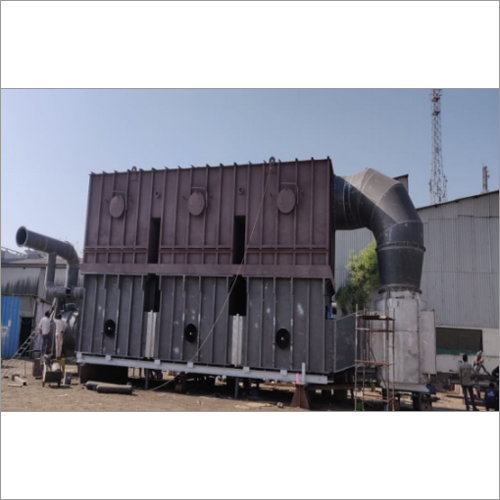
Tell us about your requirement

Price:
Quantity
Select Unit
- 50
- 100
- 200
- 250
- 500
- 1000+
Additional detail
Mobile number
Email

More Products in Regenerative Thermal Oxyidizer Category
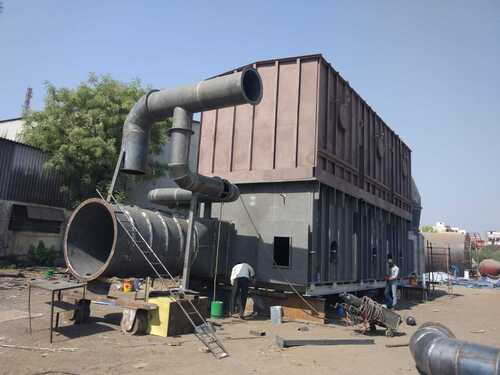
Regenerative Thermal Oxidizer (RTO)
Price 30000000.00 INR / Unit
Minimum Order Quantity : 1 Unit
Material : Stainless Steel
Computerized : No
Voltage : 380 V
Automatic Grade : Automatic
RTO Stack
Minimum Order Quantity : 10 Pieces
Material : Stainless Steel
Computerized : Yes
Voltage : 415 V
Automatic Grade : Automatic

 Send Inquiry
Our Products
- Sugar Mill Equipments
- IBR Boiler Up To 20 Tonnes
- Pressure Vessels Non-Cryogenic (M.S/S.S)
- Water Treatment Tank
- Process Equipment For Cement Industry
- Pressure Vessels Cryogenic
- Heat Exchangers
- Autoclave
- Venturi
- Regenerative Thermal Oxyidizer
- All Types Of Structural Fabrication
- Process Equipment For Pharma Industry
- Wash Malt Spirit
- Distallation Column
- Power/Oil and Gas Plant Equipments


Gat No. 319-320, Palkhi Visava, Saswad Road, Village-Zendewadi, Tal-Purandar,Pune - 412301, Maharashtra, India

Mr Rahul Desai
(VP Sales & Marketing)
Mobile :08045801949
 Send Inquiry
 Send SMS
 Call Me Free
Developed and Managed by Infocom Network Private Limited.


 English
 Spanish
 French
 German
 Italian
 Chinese (Simplified)
 Japanese
 Korean
 Arabic
 Portuguese